AdVocate harshit Sachar | chamber no: 617 | district courts ludhiana | 2817 gurdev nagar ludhiana | ✆+91 7889228369

Difference Between GPA, SPA and POA
A clear explanation of the difference between Power of Attorney (POA), Special Power of Attorney (SPA), and General Power of Attorney (GPA).
CIVIL LAWS
Advocate Harshit Sachar
12/1/20252 min read
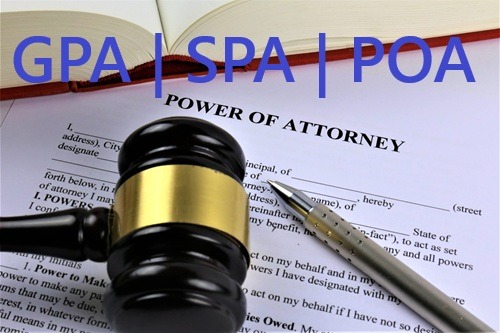

Difference Between GPA, SPA and POA
Power of Attorney (POA) documents are widely used in property transactions, business activities, banking operations, and personal matters. However, people often get confused between POA, GPA, and SPA. Although they sound similar, they differ in scope, authority, and legal effect.
This blog explains the meaning of each type and how they differ.
🔹 1. What Is a Power of Attorney (POA)?
A Power of Attorney (POA) is a legal document in which a person (principal) authorises another person (agent) to act on their behalf.
A POA may be:
General
Special
Conditional
Revocable
Irrevocable
It can be used for financial matters, litigation, business operations, property management, and more.
POA is the broad category under which GPA and SPA fall.
🔹 2. What Is a General Power of Attorney (GPA)?
A General Power of Attorney (GPA) gives wide and comprehensive powers to the agent.
It allows the agent to handle multiple tasks such as:
Managing day-to-day affairs
Handling bank transactions
Collecting rents
Managing property
Filing applications
Dealing with authorities
Handling financial matters
A GPA covers all acts that are generally necessary to manage the principal’s affairs.
It does not transfer ownership of property.
🔹 3. What Is a Special Power of Attorney (SPA)?
A Special Power of Attorney (SPA) gives specific and limited authority to the agent.
It is used for:
Executing a sale deed on one occasion
Representing someone in one court case
Collecting one-time payment
Attending a single meeting
Completing a particular transaction
Once the task mentioned in the SPA is completed, the SPA becomes invalid.
🔹 4. Key Differences Between GPA, SPA and POA
Although we are not using a table, here is a clear comparison in text:
POA is the umbrella term that includes all types of powers of attorney.
GPA gives broad powers to manage general affairs.
SPA gives limited powers for a specific task or transaction.
GPA continues until revoked; SPA ends when the specific task is completed.
GPA is used for ongoing work; SPA is used for one-time work.
Neither GPA nor SPA transfers ownership of property.
⭐ Conclusion
POA is the overall legal concept.
GPA gives wide powers.
SPA gives limited powers.
The choice between GPA and SPA depends on the purpose, duration, and level of authority required.
Understanding these differences helps in avoiding misuse and drafting the correct document for each situation.